Modern Military Operations Highlight the Importance of Early Mission-System Flight Testing
Recent military operations have reinforced a reality long understood within the flight-test and defense-engineering communities: mission systems must be proven in realistic flight environments well before they are ever employed operationally.
As modern conflicts increasingly depend on electronic warfare, sensing, communications, and software-defined capabilities, success is often determined years earlier—during the transition from concept to integrated airborne system. Early, disciplined flight testing is what allows those capabilities to mature safely, efficiently, and predictably.
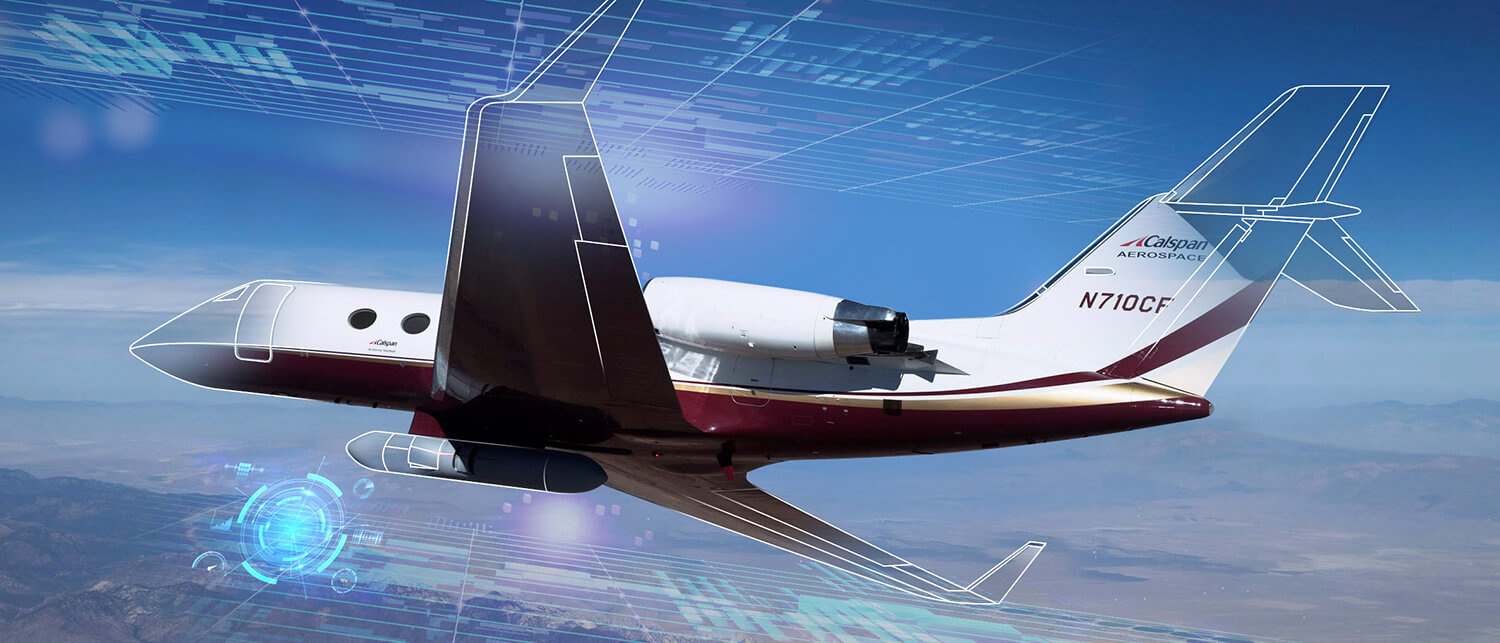
From Concept to Capability: Early Flight Testing Mitigates Risk
Mission systems today operate across tightly coupled domains—radio frequency, software, autonomy, aircraft integration, and human-machine interaction. While modeling and simulation remain essential tools, they cannot fully replicate the atmospheric environmental demands and complexities of real-world flight conditions.
Early flight testing enables engineers to evaluate how systems behave when exposed to:
Identifying issues at this stage dramatically reduces downstream cost, schedule risk, and integration challenges—long before systems are introduced to operational fleets or high-value military assets.
- Real aircraft dynamics and vibration environments
- True RF propagation, interference, and latency effects
- Integrated hardware-software interactions
- Operationally relevant flight profiles and mission logic
Mission-System Testing in an Airborne Laboratory Environment
Calspan Flight Research supports customers across all Technology Readiness Levels (TRL), providing an independent, controlled, and highly instrumented airborne environment to mature mission systems safely.
Operating from an 80,000-square-foot hangar facility at Niagara Falls International Airport (KIAG), Calspan’s team of experimental test pilots, engineers, mechanics, and technicians conducts flight testing using jet-powered airborne testbeds purpose-built for system integration and evaluation.
Rather than committing immature systems directly to frontline platforms, customers leverage these airborne laboratories to:
- Validate mission-system architectures and interfaces
- Exercise radar, communications, and RF subsystems
- Evaluate autonomy, flight-path logic, and CONOPS
- Integrate ground stations for centralized command, control, and data collection
- Identify and resolve issues early—when changes are fastest and least costly
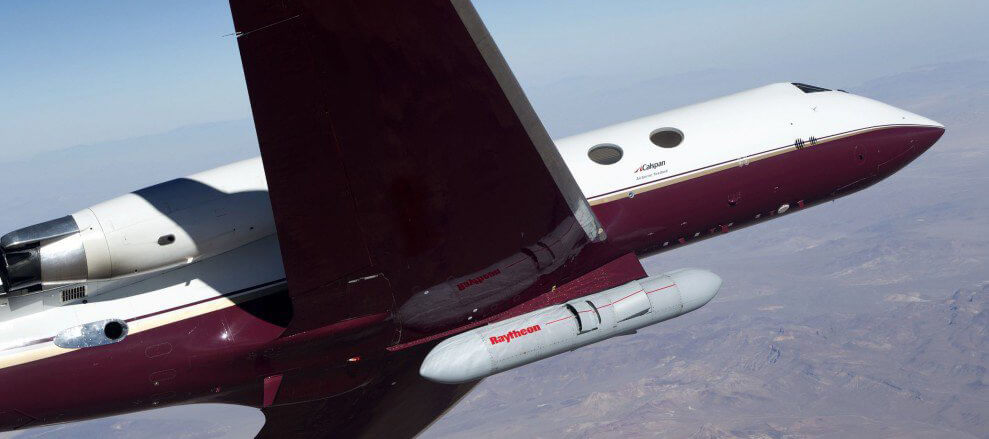
Real-World Conditions, Reduced Risk
Calspan’s airborne testbeds feature modular cabin configurations, integrated instrumentation, and mission-system integration flexibility to support a wide range of applications, including:
- Electronic attack and jamming systems
- Multi-spectrum RF and communications payloads
- EO/IR sensors and datalinks
- Hybrid real-world and virtual mission environments
Testing in real-world flight conditions allows engineers to observe performance that cannot be fully predicted through simulation alone—helping avoid expensive rework later in the program lifecycle.
A Foundational Role in Mission Readiness
Advanced mission systems often gain public attention only once they appear in operational contexts. In reality, those capabilities are the result of years of incremental development, integration, and early flight testing.
Calspan’s role in this process is intentionally early, independent, and non-operational—focused on helping customers mature complex systems so they are ready when it matters most. In today’s evolving mission environment, early mission-system flight testing is not optional—it is foundational.
We are gratified to witness the successful operational employment of systems tested in calspan testbed aircraft years ago, and are thrilled that those whom our nation sent into harm’s way returned safely and successfully.
Date Posted
1/12/26Topic
Flight & Wind Tunnel


