Jet Effects Assessment

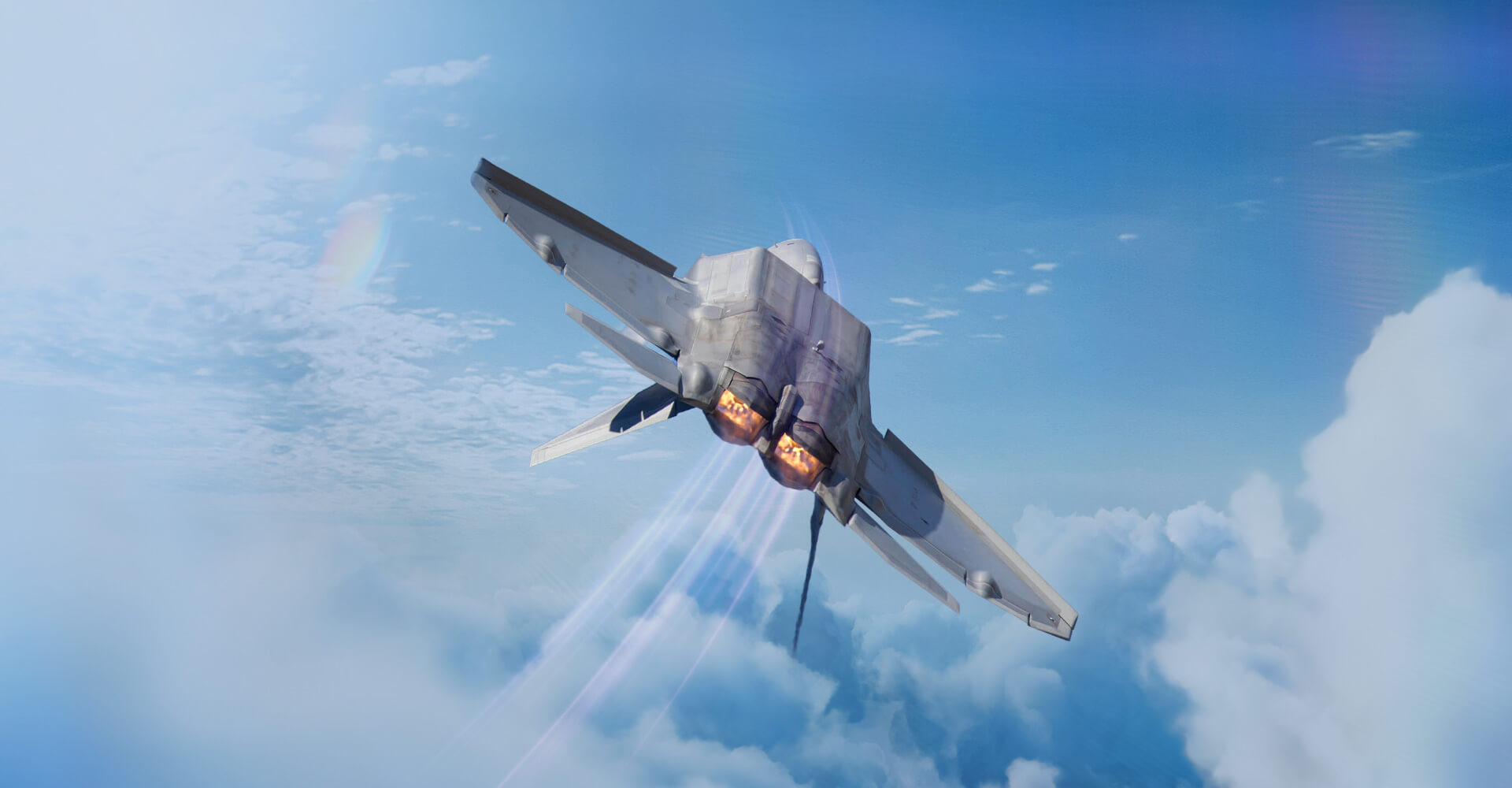
Calspan’s Test Section includes High Pressure Air for Jet Effects
- Leverage Calspan’s S&C test efficiency and our high pressure air system for this unique capability.
- Aircraft engine’s exhaust plume affects the aircraft’s aerodynamic performance.
- In this test, the jet exhaust is simulated using metered, dry, high pressure air delivered through the model and released out of the back.
- The influence of the plume(s) on the aircraft’s overall dynamics can then be measured.
- Newly added pumping capability keeps tunnel conditions steady during ejector flows.
- Calspan can accommodate both metric and non-metric nozzles.
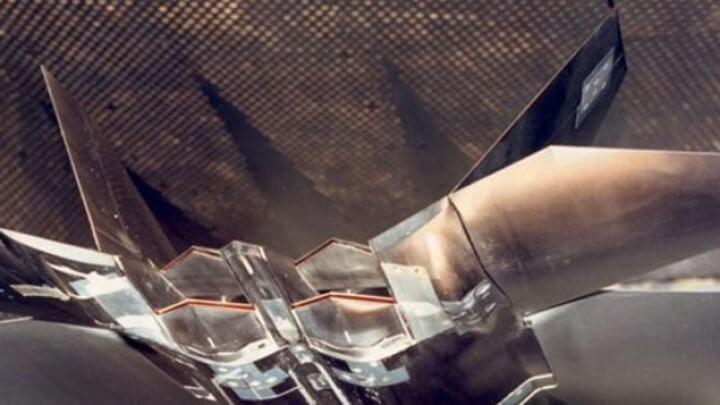
High-Pressure Jet Simulation
Dry, metered, high-pressure air is delivered through the model to accurately replicate jet exhaust conditions at controlled mass-flow rates.
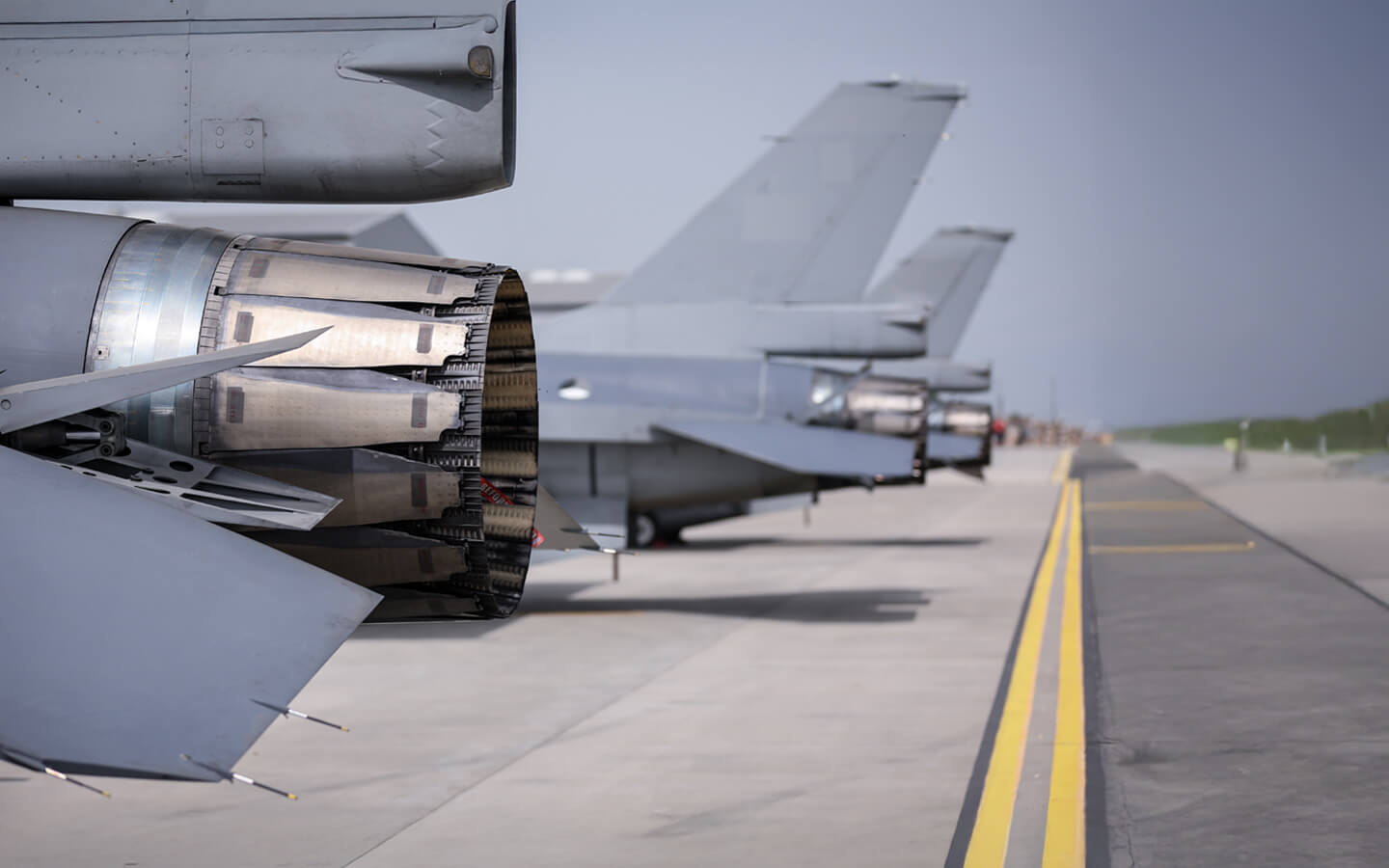
Stable Test Environment
Newly expanded pumping capability maintains consistent tunnel conditions during ejector flows, improving repeatability and data quality.
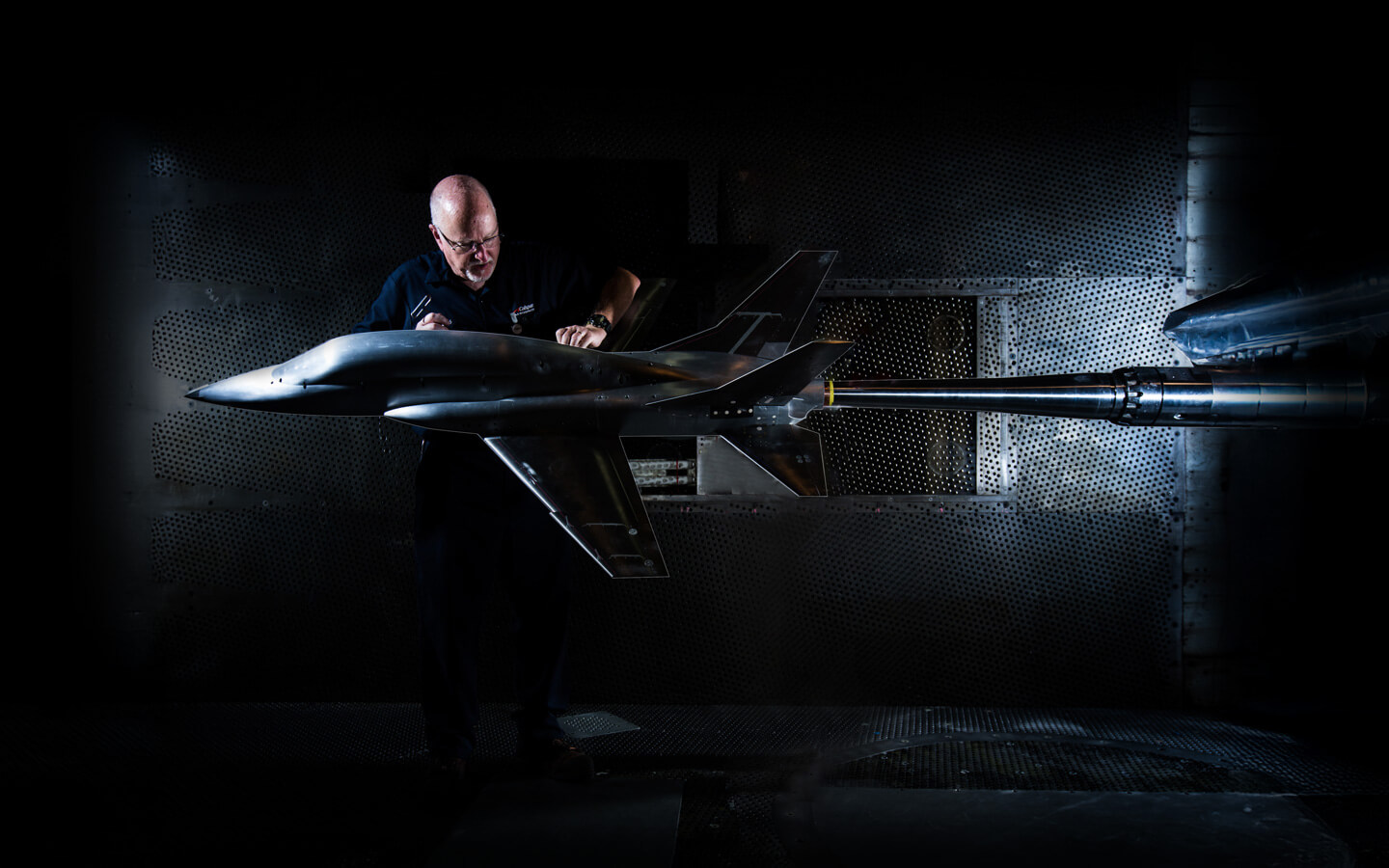
Flexible Nozzle Integration
Supports both metric and non-metric nozzles, enabling a wide range of propulsion configurations for aircraft and space systems.
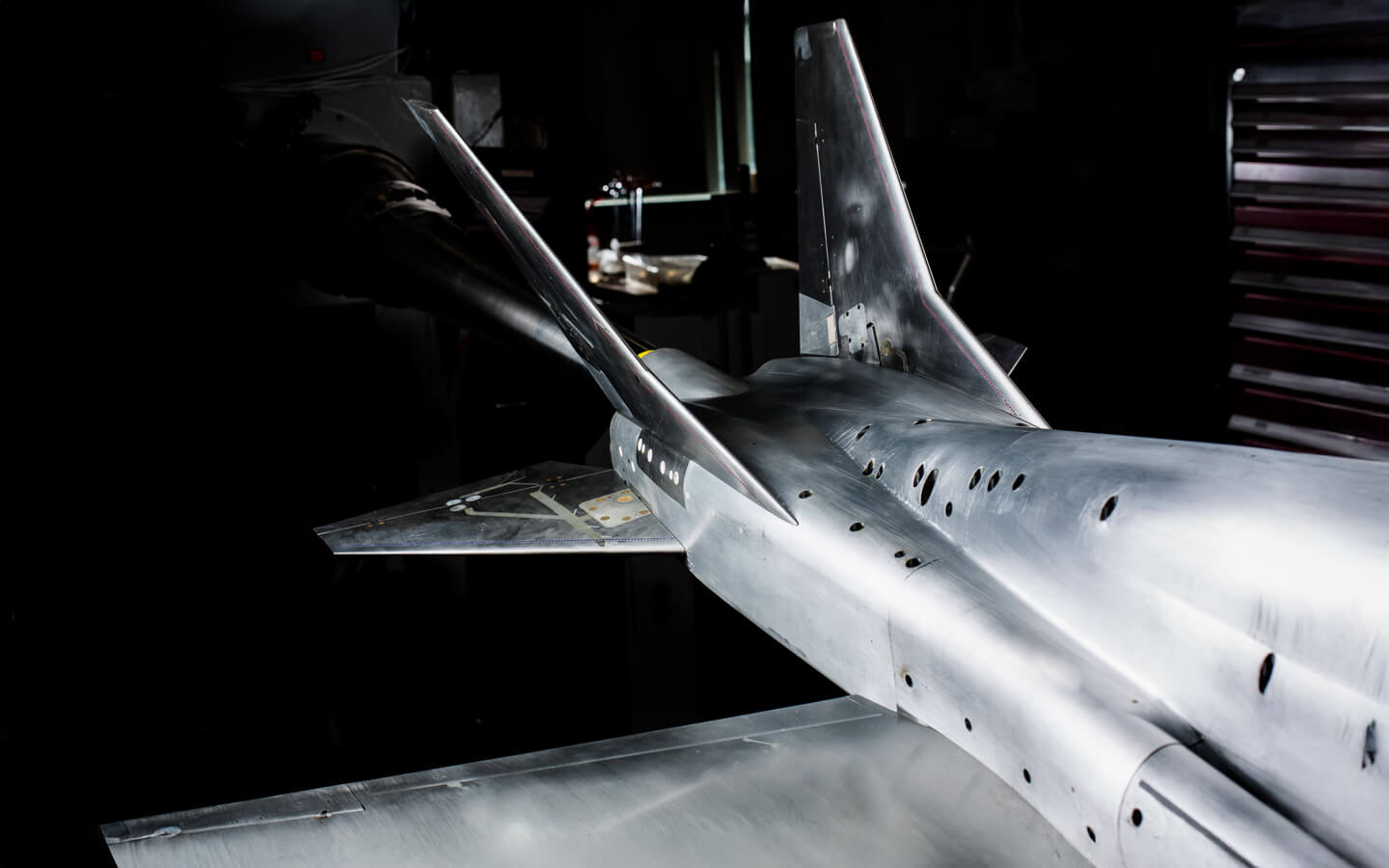
Simulating Jet Plumes to Reveal Their Impact on Aircraft Aerodynamics
Calspan’s Jet Effects Assessment testing evaluates how engine exhaust plumes influence vehicle aerodynamics, control authority, and overall stability. By delivering metered, dry, high-pressure air through the model, Calspan replicates jet exhaust conditions without loading the strain-gauge balance—capturing only the aerodynamic impact of the plume itself. Our enhanced pumping and air-supply systems maintain steady tunnel conditions during ejector flows, enabling accurate measurement of plume-airframe interactions across a wide range of mass-flow demands. With support for both metric and non-metric nozzles, Calspan provides a flexible and efficient environment for assessing jet effects in military aircraft, weapons, and space access vehicles.
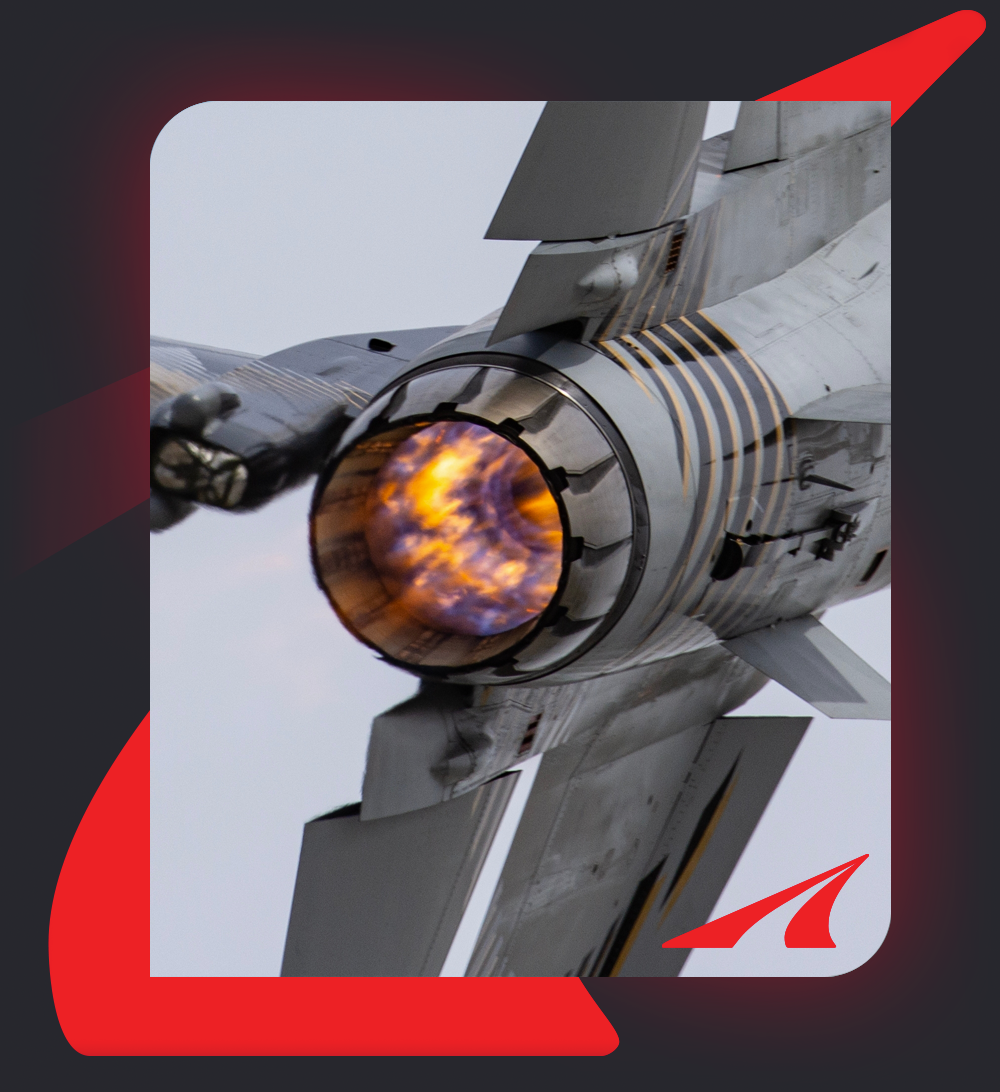

Jet Plume Effects on Military Aircraft & Weapons
Calspan’s Jet Effects Test technique quantifies how one or more jet plumes influence an aircraft’s aerodynamics. Models are designed so that the jet exhaust does not directly load the strain-gauge balance—ensuring that only aerodynamic forces and plume-induced effects are measured. This is particularly valuable for assessing how exhaust flow may degrade or alter tail control surface effectiveness.
Calspan provides customers with a dry, high-pressure air delivery system capable of supplying approximately 2,000 psi at mass-flow rates up to 2 lb/sec, with higher flows (up to 15 lb/sec) available at proportionally reduced pressure. A supplemental dual-channel system can supply secondary or tertiary flows from 0.02 to 0.16 lb/sec with open- or closed-loop control. This system offers setpoint accuracy within ±1.0% and measurement accuracy within ±0.1%. When configured for high-volume delivery, flow rates up to 1.0 lb/sec at 200 psi can also be supported.
Jet Effects for Space Access Vehicle Aerodynamics
Space access vehicles often use multiple rocket nozzles, making plume interactions a critical aerodynamic factor—even when engines are throttled or inactive. Calspan has extensive experience conducting jet effects assessments for space vehicles, including ground-effect studies and stage-separation investigations.
Typical test objectives include:
- Lift-off and touchdown performance with gimbaled nozzles or control thrusters
- Ground-effect studies, including off-nominal nozzle failures
- Stage-separation loads and plume interactions between components
- Stability and control impacts from varying nozzle mass flows
Calspan executes these tests using either the Sting Cart or the Captive Trajectory Cart, depending on program needs. The Sting Cart supports full-vehicle assessments with minimal blockage and easy ground-plane installation, while stage-separation testing is typically configured with multiple support systems to allow independent motion of each vehicle stage.
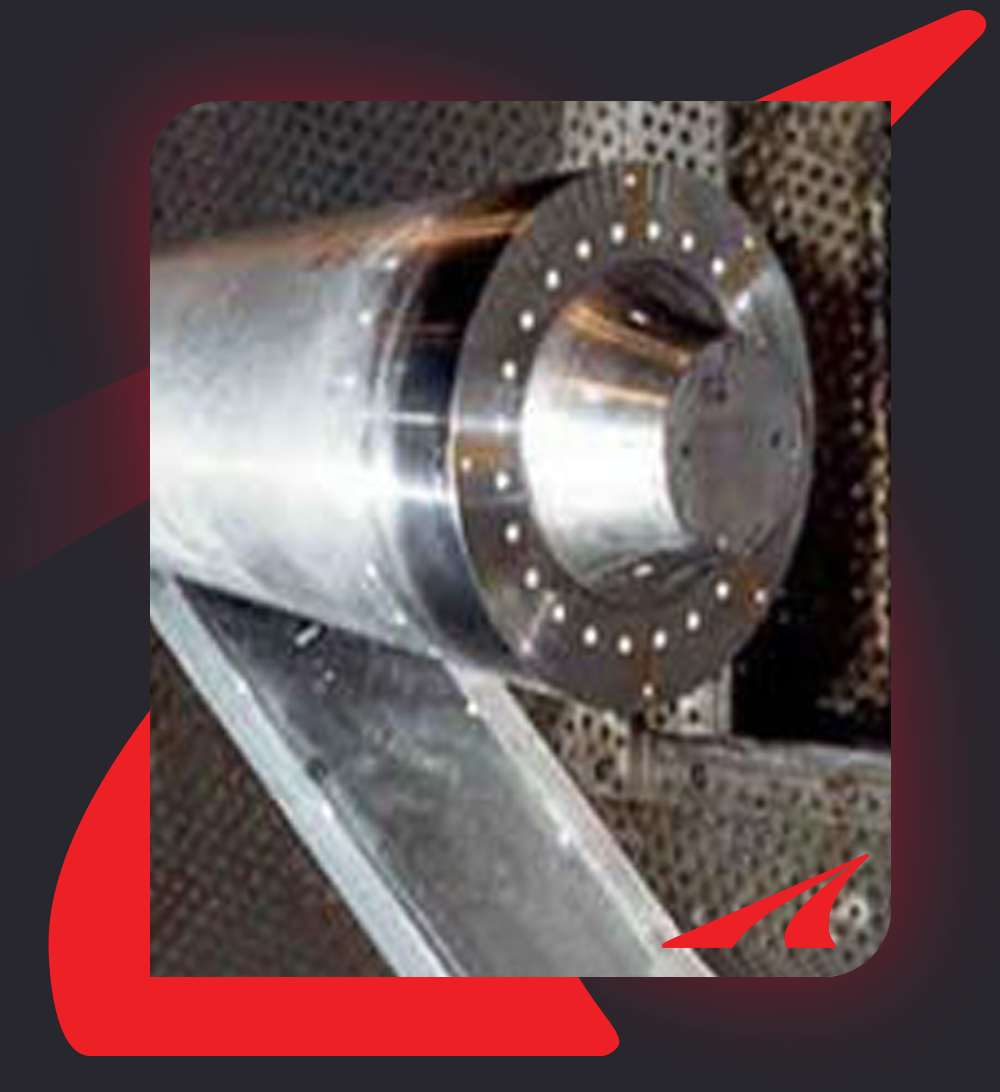
Looking For More Information?
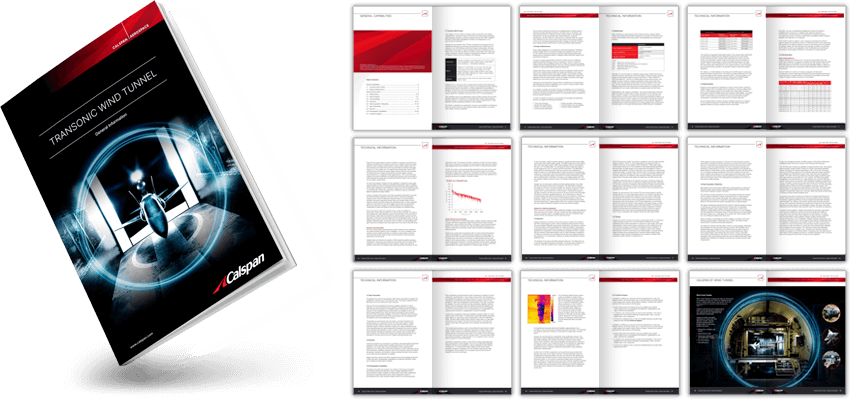
Apply to receive Calspan’s comprehensive documentation package, providing detailed specifications and insight into our wind tunnel systems and operations. The guide covers tunnel design and maintenance, model sizes, instrumentation, test hardware, data acquisition and reduction processes, transmittal protocols, security practices, and photographic capabilities—plus additional technical information supporting advanced aerodynamic testing programs.
Find out how we can
support your innovations


