Pressure and Loads

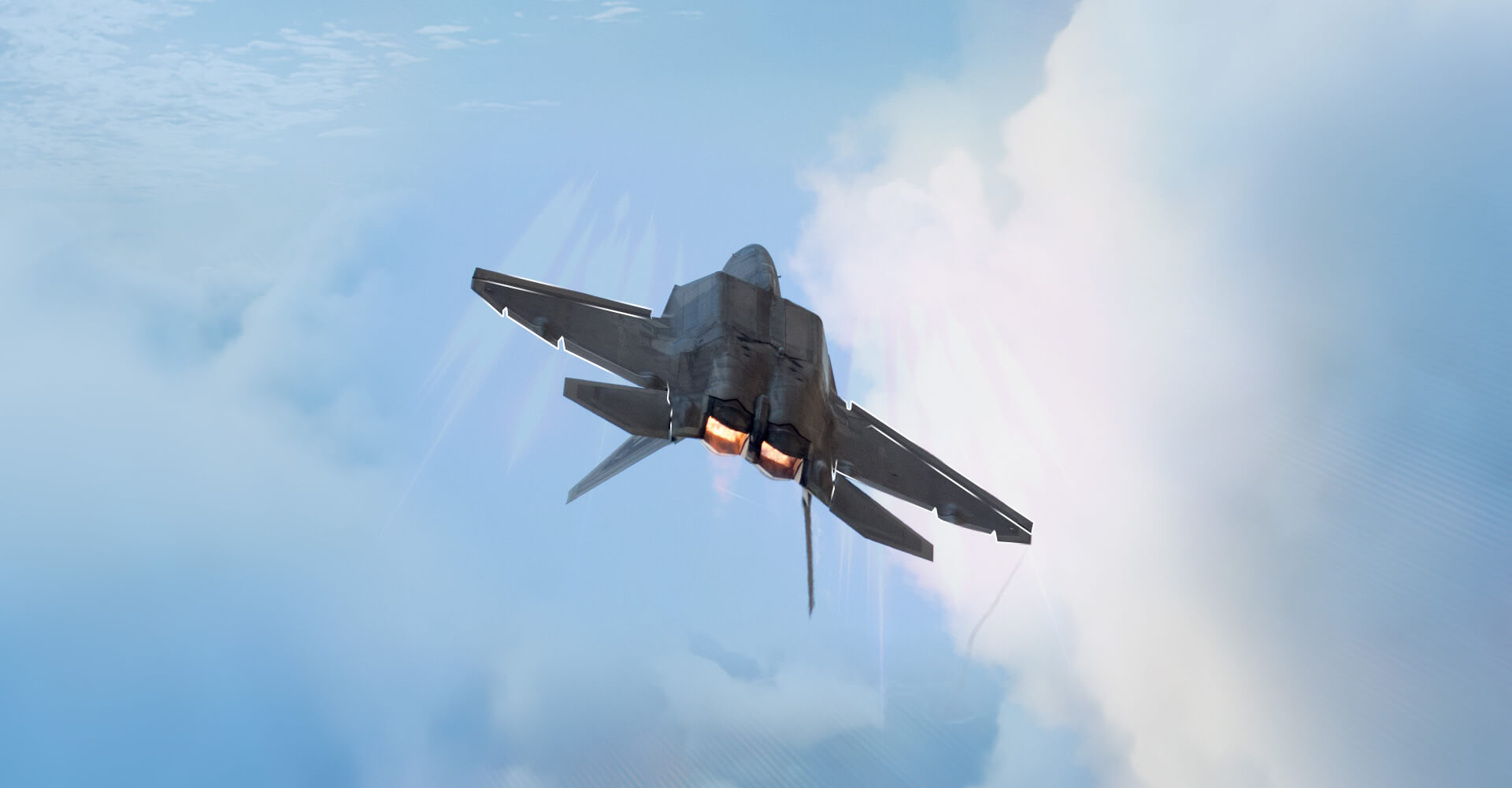
Calspan can incorporate its Ejector and Mass Flow Plug Instruments
- Calspan can incorporate its ejector and mass flow plug instruments to study the impact of various inlet mass flow rates on your air data system.
- Pressure distribution over your model.
- Load and pressure data over model components such as control surfaces and wings.
- Build air data calibration database for stationary and rotating sensors.
- For both standalone probes and fore body / probe installations.
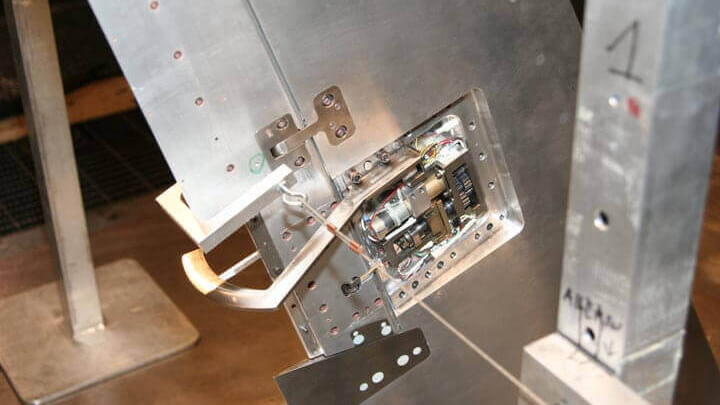
Integrated Mass Flow Simulation
Ejector and mass flow plug systems enable controlled variation of inlet mass flow to evaluate its impact on air data systems and pressure measurements.
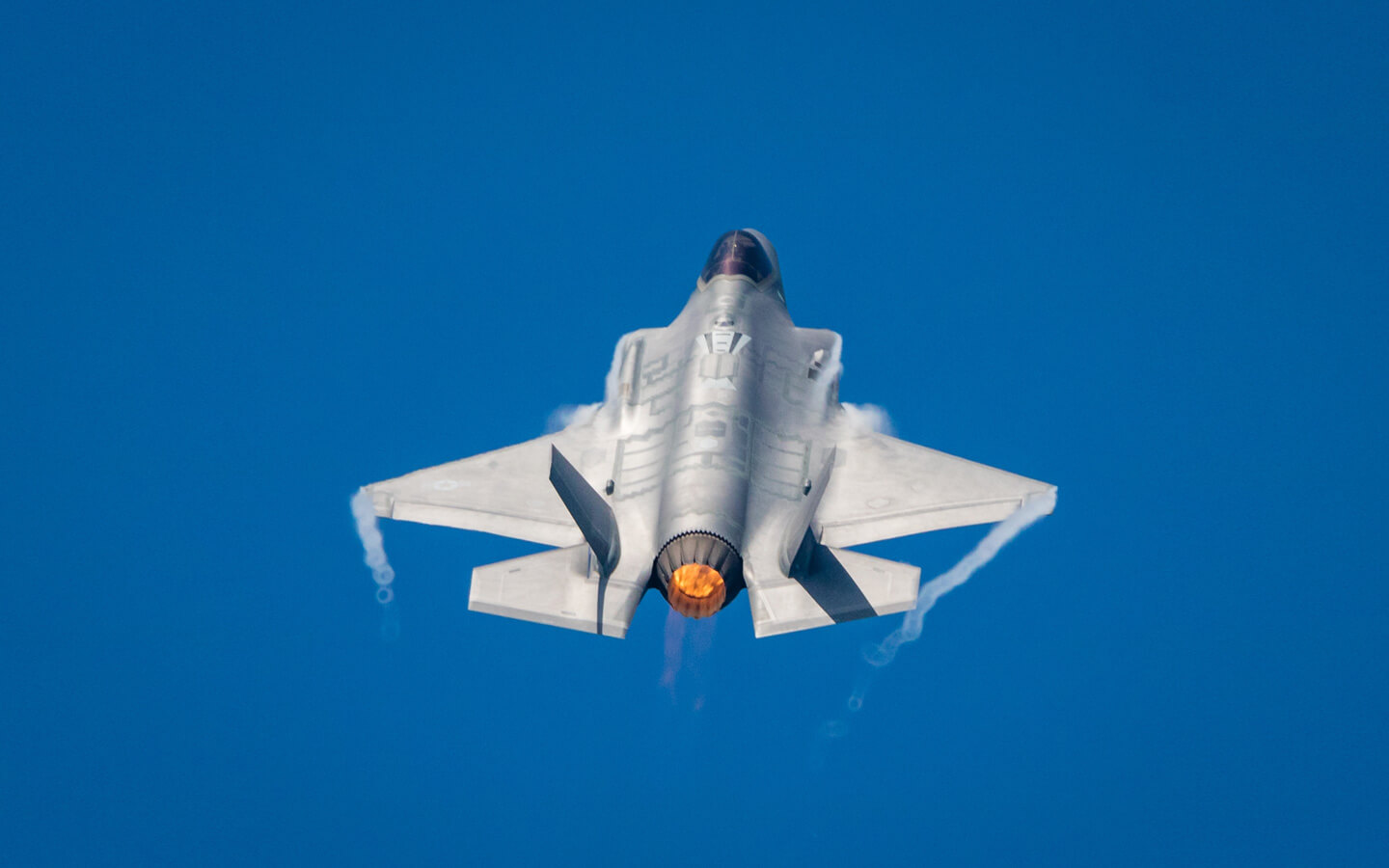
Comprehensive Pressure Measurement
High-density pressure instrumentation captures detailed pressure distributions across the model and key components.
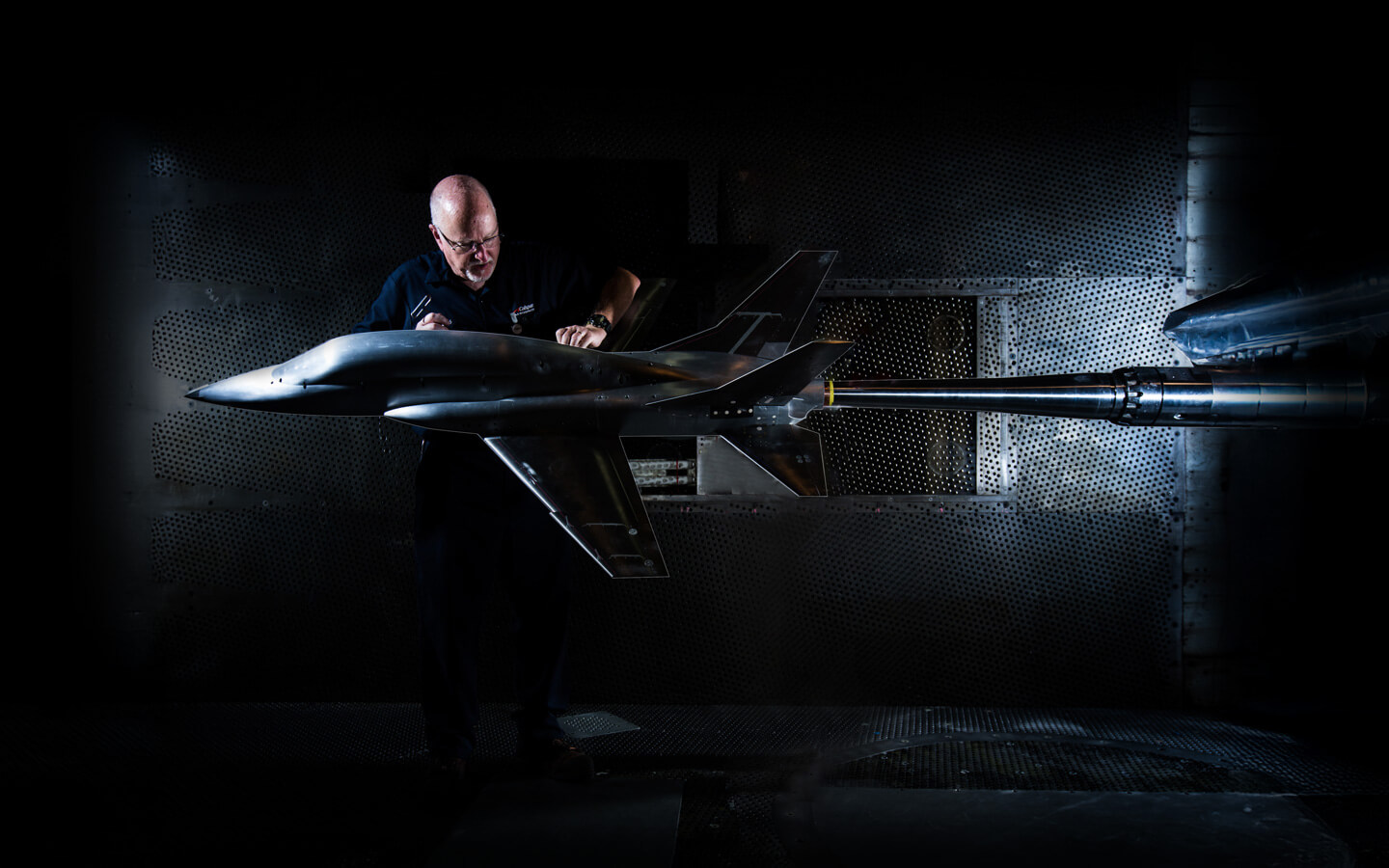
Air Data System Calibration
Supports calibration of standalone probes and integrated forebody air data systems for flight control integration.
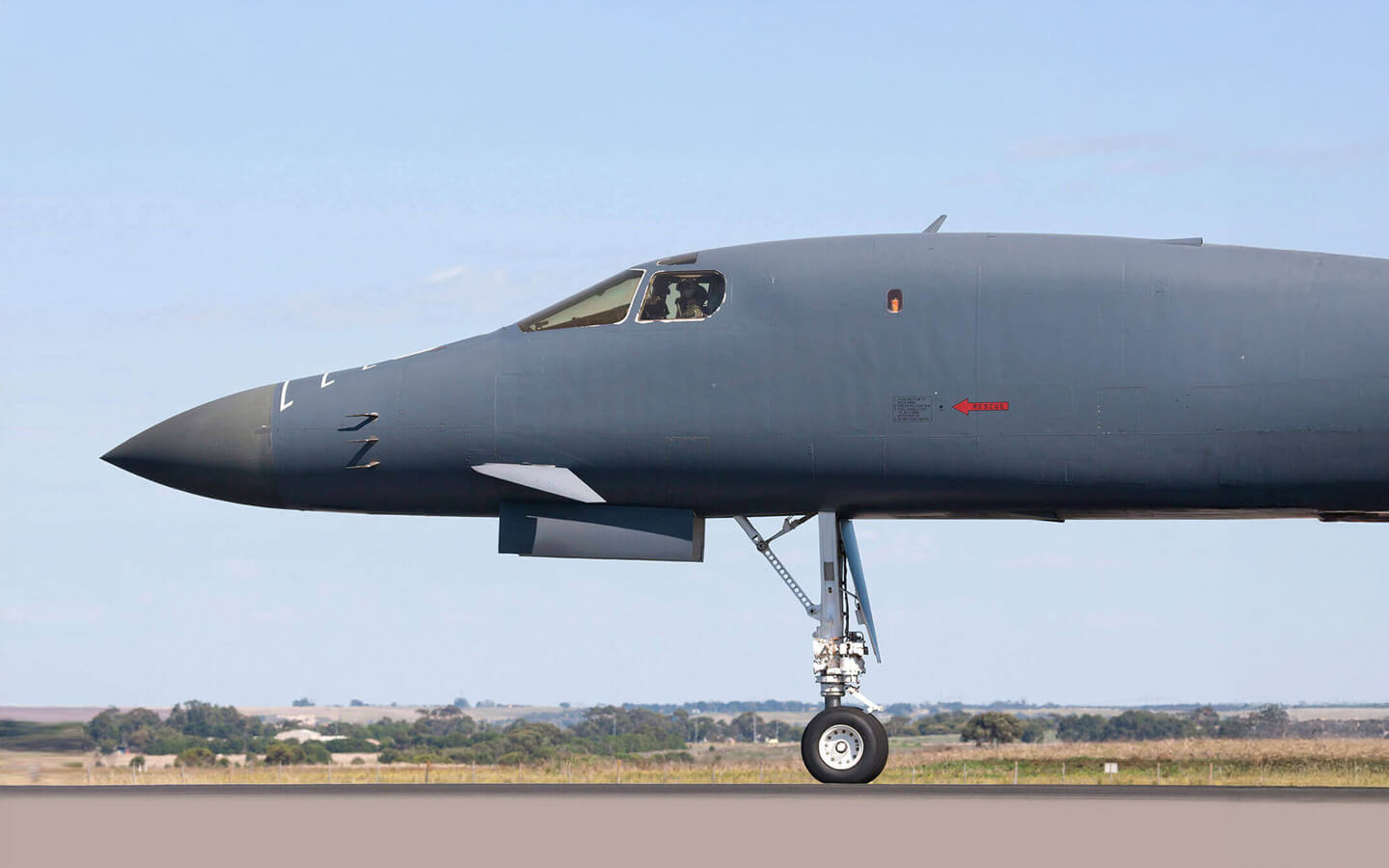
High-Fidelity Pressure and Load Data for Airframe and Sensor Development
Calspan’s Pressure and Loads testing provides detailed measurement of surface pressures, aerodynamic loads, and air data system performance for aircraft and weapon systems. By incorporating ejector and mass flow plug instrumentation, Calspan can study the effects of varying inlet mass flow rates on air data probes and forebody installations. These tests capture pressure distributions and resulting forces and moments across critical components such as wings and control surfaces. The resulting data supports load analysis, airframe design refinement, and the development of accurate air data calibration databases for both stationary and rotating sensors.
Pressure and Load Measurement Capabilities
Calspan works closely with airframe manufacturers and system developers to evaluate aerodynamic loads through detailed pressure and load testing. Surface pressure measurements are acquired and analyzed to determine pressure distributions, resulting forces, and moments acting on the vehicle. These measurements provide insight into structural loading, control effectiveness, and overall aerodynamic behavior across the flight envelope.
Typical measurements include:
- Load intensities and pressure distributions
- Steady and unsteady pressure data
- Power spectral density analysis
Military Air Data Probes & Airframe Testing
Calspan supports the development and calibration of air data probes and conformal air data systems for military aircraft and weapons applications. Testing enables precise calibration of sensors under controlled aerodynamic conditions, supporting integration into flight control systems and navigation architectures. Research areas commonly addressed through this testing include improving stability and control for unmanned aircraft, understanding pressure differentials as a function of angle of attack, and optimizing pressure port placement for accuracy and reliability.
Looking For More Information?
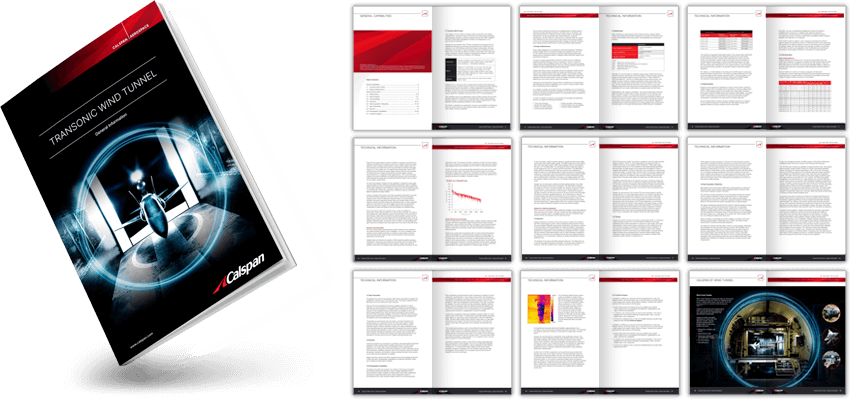
Apply to receive Calspan’s comprehensive documentation package, providing detailed specifications and insight into our wind tunnel systems and operations. The guide covers tunnel design and maintenance, model sizes, instrumentation, test hardware, data acquisition and reduction processes, transmittal protocols, security practices, and photographic capabilities—plus additional technical information supporting advanced aerodynamic testing programs.
Find out how we can
support your innovations


